

In football, the quality of a player's first touch can have a significant influence on what happens next. Whether receiving a pass under pressure, creating space to move forward or maintaining possession, the ability to control the ball effectively is one of the most important foundations of technical football development.
For young players, developing a reliable first touch is about more than simply stopping the ball. It involves understanding the space around them, positioning their body correctly and preparing for their next action before the ball even arrives.
What Makes a Good First Touch?
A good first touch allows a player to bring the ball under control while keeping it in a position that supports their next movement.
Rather than simply bringing the ball to a complete stop, effective ball control often involves directing it into space, away from an approaching opponent or towards an opportunity to play forward.
Several key elements contribute to an effective first touch:
Body positioning: Preparing the body to receive the ball comfortably and maintain balance.
Awareness: Recognising the position of teammates, opponents and available space.
Weight and direction: Adjusting the touch to create the best possible opportunity for the next action.
Control under pressure: Maintaining composure when receiving the ball in tighter spaces or with opponents nearby.
Use of both feet: Developing the ability to receive and control the ball on either side.
These elements work together to help players become more confident and effective when in possession.
How First Touch Influences Decision-Making
Football is a game of constant movement and changing situations. Players often have only a short amount of time to assess their options before making their next decision.
An effective first touch can create valuable time and space. By directing the ball into a useful position, a player may be able to move away from pressure, find a passing option or create an opportunity to attack.
Conversely, a heavy or poorly directed touch can make it easier for an opponent to challenge for possession.
This is why first-touch development should not be considered separately from other aspects of the game. Ball control, awareness and decision-making are closely connected, and improving one can support the development of the others.
Developing First-Touch Technique Through Practice
Like any football skill, a consistent first touch requires regular and purposeful practice.
Young players benefit from working with different types of passes, receiving the ball from different angles and practising with both feet. Gradually introducing more challenging activities can also help players learn to control the ball while responding to changing situations.
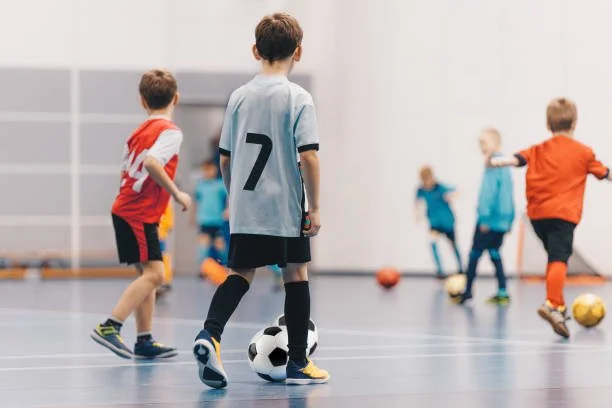
Useful areas of practice include:
Receiving and controlling passes along the ground.
Controlling the ball with different surfaces of the foot.
Receiving on the back foot to open up the body.
Directing the first touch into available space.
Practising under increasing levels of pressure.
Combining ball control with passing, movement and decision-making.
The aim is to develop technique that can be applied naturally during competitive football, rather than skills that only work in isolated training exercises.
The Value of Dedicated Technical Football Training
Regular team training plays an important role in a young player's development, providing opportunities to learn positioning, teamwork, match awareness and tactical understanding.
Dedicated technical training offers an additional opportunity to focus on individual skills in greater detail.
At AFC Whyteleafe, our Technical Training sessions provide young players with opportunities to develop their football technique through structured coaching and focused practice.
Sessions cover important areas of individual development, helping players work on their ball control, coordination, movement and overall technical ability.
Whether a player is building their foundations or looking to refine existing skills, consistent technical practice can form an important part of their football development.
Developing the Foundations for Better Football
A player's first touch is one of the fundamental skills that influences almost every aspect of their game. From maintaining possession to creating attacking opportunities, effective ball control gives players more options and greater confidence when making decisions on the pitch.
By dedicating time to technical practice and developing good habits from an early age, young footballers can build important foundations to support their continued development.
Explore Technical Training at AFC Whyteleafe
AFC Whyteleafe offers dedicated Technical Training for boys and girls in Years 2–6, welcoming players of all abilities.
Sessions take place on Thursdays at Warlingham School Sports Centre, providing an additional opportunity for young players to work on their individual football skills.
Find out more about our Technical Training sessions and how to get involved.